

“The bond with a true dog is as lasting as the ties of the earth will ever be.”
-Knodrad Lornez
Dogs aren’t just “man’s best friend,” they are the living and breathing mirror of whoever you are.
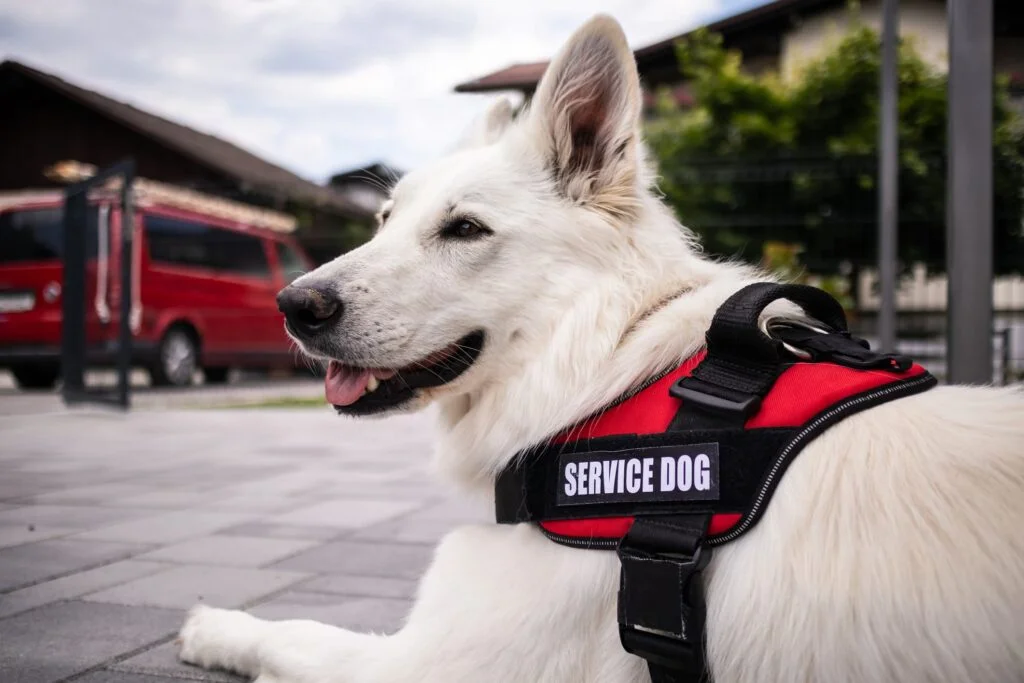
For hundreds of years, our fellow canine pets have been taught the art of being a service dog. What this truly means is that your dog can be taught how to retrieve lost items, how to navigate the blind, or even how to prevent you from harming yourself.
Even since ancient times, the Roman Empire left evidence on how they used dogs for the benefit of people.
Service dogs aren’t just pets, they’re a tool that you can use for medical purposes. Depending on your disability, you need to train your dog for different purposes. All service dogs fit into a group, Guide dogs, mobility dogs, medical alert dogs, and psychiatric dogs.
If you get more specific, you can name a lot of different types of these dogs.
-Allergy Detection Dogs; when your dog can detect allergens and alert you of potentially harmful substances.
-Diabitic Dogs; when your dog can sense when your sugar levels are too high or low.
-Mobility Assistance Dogs; when your dog can assist their handler up the stairs, hold items, locate lost things, and help with balance. These dogs normally have a special ‘brace’ collar.
-Seizure Alert Dog; your dog is able to alert you before your seizure will happen and potentially save your life.
-PTSD Service Dog; these dogs are able to comfort their owners when they have a panic attack, flashback, or nightmare.
-Guide Dogs; if their owner is blind or visually impaired, then the dog can help guide and navigate through crowds and obstacles.
-Hearing Dogs; when a dog can alert the deaf owner of a fire alarm, sirens, and doorbells with scratching or other physical actions.
-Autism Service Dog- comforts the owners, provides security, and stops repetitive behaviors (such finger tapping, scratching, and shaking).
Though it will take months, even years, for your dog to finally be a full-fledged service dog, the benefits are immense. Many people even work with pro trainers to teach their dogs, but it’s not impossible to train your own dog at home.
To qualify your dog as a professional service dog, you (or the soon to be owner of the dog) must have a documented disability, whether mental or physical. The dog must also be task-trained and be able to handle being out in a variety of public places. It’s not to say that you can’t have a service dog even without a disability, but your pet won’t get to travel in airports, or other non-pet public areas.
What you’re looking for is an intelligent breed of canine. One that will pick up commands easily and one that is a loyal companion.
Though almost any dog could be qualified, it would take double (or more) of the time if you were trying to teach a Chow-Chow or pug.
Most compatible service dogs are found in the group of working dogs, these include the Labradors, Retrievers, Shepherds, and Border Collies. Just naming a few, but these are the most popular choices.
When you’re ready for your service dog, it’s always a good idea to prepare your house and brainstorm a list of ideas to train it (after it gets house-breaked.) Most sources suggest that you purchase a puppy around 8-12 weeks old, or even a year if it’s already been trained.
A lot of owners may want to jump into training right away, but a young canine must be house-breaked, meaning they’ve learned the 7 basic commands (sit, stay, come, laydown, down, up, heel) and they are potty trained and crate trained.
After your dog has learned the basics, begin with easy tasks to perform such as retrieving items, opening/closing a door, and turning lights on/off. More advanced tasks can be found in sources such as ServiceDogCertifications and The West Virginia University.
Dogs can do great things, it’s just up for you to teach them. You don’t need to be an expert to give commands, you just need patience. Whether or not you’re planning for a certified dog or merely a comfort dog at home, the possibilities are endless.
With dogs, they can truly be your best friend.